Tour Putters
Putters, similar to full-swing equipment, offer quite an array of customizable options. From head shapes to lie angles, alignment aids to grips, there are a myriad of ways to change the playing characteristics of golf’s most mysterious tool.
Over the years, we have see the putter evolve from a thin, heel shafted, somewhat harsh-looking implement into today’s popular high-moi mallets. Times have certainly changed and along with that has come new materials, new methodologies and a player’s change in philosophy. From Tom Stewart blades to Tour Spiders, putters are both extremely popular and extremely personal. Let’s take a look at some of today’s manufacturers and a sampling of options they offer.
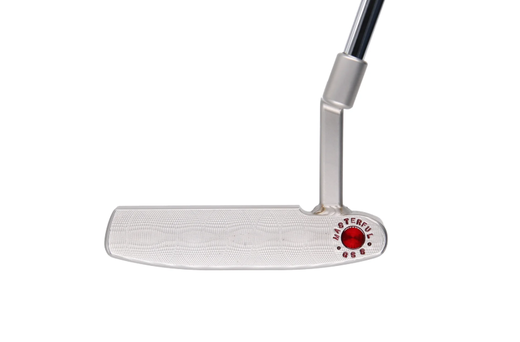
Putter Materials
- Carbon Steel - This metal needs to be maintained and kept dry to hold its “new” look. Otherwise, it will oxidize, which is a preferred look for some players.
- Stainless Steel - Stainless is essentially maintenance free. If well-taken care of, its overall look can be similar for many years.
- German Stainless Steel - For the most part, German Stainless Steel or GSS was brought to collector’s minds by Scotty Cameron. Some collectors believe GSS to be a higher quality than stainless found elsewhere in the world.
- Aluminum - Aluminum is lighter than steel, thus making it popular in larger putter heads.
- Copper - Copper is a very soft metal with a unique look. Solid copper will begin to patina over time, but can be brought back to life with a polish.
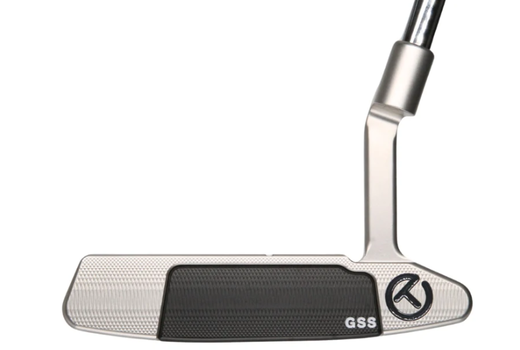
Face Inserts
- Scotty Cameron - Scotty Cameron introduced his inserts in the TeI3 line that was made extremely popular with the help of Tiger Woods. He continues to use similar inserts in more current models.
- NCW - National Custom Works 3-D prints putters which allows them the ability to create 1-off, custom face inserts and putters.
- Taylormade - TaylorMade has used inserts - grooved and non-grooved on most of their putters for many years now.
- SWAG - Swag showed some neat artistry in this “Glitch” milling on their face.
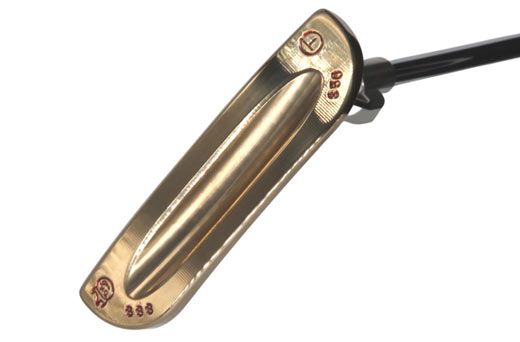
Weighting Options
- Adjustable Weights - Adjustable weights can be used to add or subtract weight from the putter. Some players like to change weight based on green speed.
- Fixed Weights - Other putters come with fixed weights. The player might have wanted a heavier putter, so holes can be drilled out to be filled with tungsten to increase the weight.
- Bullet Sole - Weight can also be removed from the putter head. This bullet sole by Scotty Cameron is both functional and artistry.
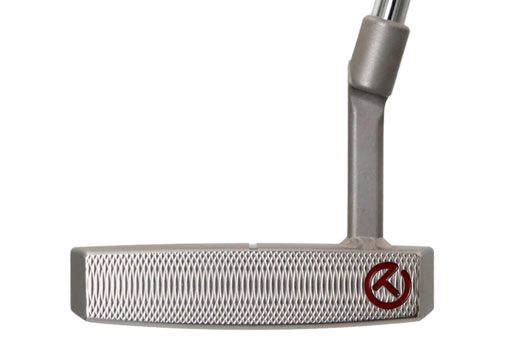
Neck Options
- Plumbers Neck - This 3/4 shaft offset putter includes a plumber’s neck in which the shaft goes into a hosel that then has some offset added to the neck.
- Flow Neck - The flow neck is an appropriate name here. As you can see, the shaft goes right onto the neck, with no “cup”/hosel connection. The neck then flows into the putter with no right angles.
- Centershaft - The centershaft putter usually has no neck (although some do). This shaft goes directly into the center portion of the head.
- Pipe Neck - A pipe neck is a round version of a flow neck. As you can see, this neck is more round, where the flow neck has flatter areas
- Screw Neck - The screw neck can be made in various forms (flow-style, plumber’s, etc.) but is mainly used as a function of artistry, to create a certain look.
Alignment Options
- Naked - A putter with no alignment aid is usually referred to as naked, or blank.
- Line on Top - This feature can also be called a top line.
- Flange Line - As you can see, this line is placed back further on the putter, located on the flange.
- Sight Dot - Some folks prefer a dot that marks a spot on, or near the sweet spot. This can allow players to focus less on the line and more on feel.
- Triple Sightlines - On the other hand, some players like to see more lines and use them as a guide to show a wider path on which they want the ball to travel.
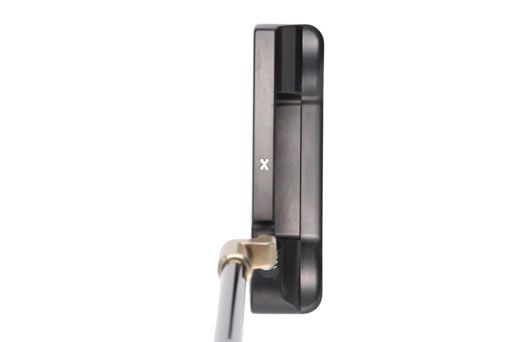
- X Dot - Another form of artistry in a putter. The X dot is similar to a sight dot in its purpose, but is made to create a different look.